in recent years, with the rapid development of technology, serverless architecture has gradually attracted attention around the world, especially in the field of mobile applications. as a rising technological star in southeast asia, vietnam has also shown certain potential in the application of serverless technology. this article will provide an in-depth analysis of the current status of serverless mobile phones in vietnam and its future development direction to provide reference and suggestions for relevant practitioners.
vietnam's mobile phone market has grown rapidly in recent years, and the penetration rate of smartphones has continued to increase. according to statistics, the number of smartphone users in vietnam has exceeded 53 million and is expected to continue to grow in the coming years. this growing trend provides a broad market space for the application of serverless technology. especially in mobile application development, developers are increasingly inclined to adopt serverless architecture to reduce costs and improve development efficiency. therefore, vietnam’s mobile phone market provides a good foundation for the development of serverless technology.
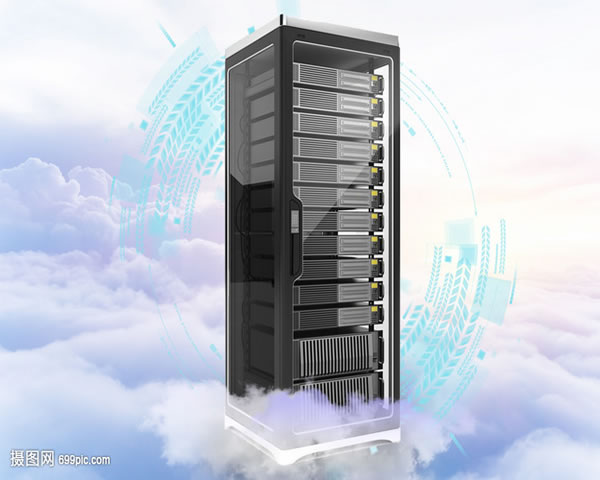
serverless architecture is a cloud computing execution model in which applications run without developers managing servers. this means developers can focus more on code writing and business logic without having to worry about server configuration and maintenance. serverless architecture is often combined with an event-driven model, providing applications with greater flexibility and scalability. this technology is particularly suitable for mobile application development because of its ability to dynamically adjust resources according to user needs, thus improving the user experience.
in vietnam, the application of serverless technology is mainly concentrated in the fields of mobile application development, data processing and backend services. more and more startups and developers are adopting serverless architecture to build mobile applications to reduce infrastructure complexity and cost. in addition, some large technology companies in vietnam are gradually introducing serverless technology into their products to improve development efficiency and response speed. however, due to factors such as technology popularity and shortage of relevant talents, the application of serverless technology in vietnam is still in its infancy.
although serverless technology has shown certain development potential in vietnam, it still faces some challenges in practical application. first, the lack of technical knowledge prevents many developers from understanding serverless architecture deeply enough, leading to difficulties in the actual development process. secondly, security issues are also an important challenge facing serverless technology, and data privacy and security issues need to be resolved urgently. in addition, the choice of cloud service provider will also affect the implementation effect of serverless architecture. the difference in service quality and cost of different platforms may cause problems to developers.
looking to the future, serverless technology in vietnam is expected to usher in greater development opportunities. as cloud computing technology continues to mature, more and more enterprises will gradually realize the advantages of serverless architecture and actively carry out technological transformation. in addition, the vietnamese government's strong support for technological innovation in recent years has also provided a good policy environment for the development of serverless technology. at the same time, as educational institutions begin to pay attention to the training and education of serverless technology, the cultivation of relevant talents will also provide support for the development of the industry. it is foreseeable that serverless technology in vietnam will play an increasingly important role in the field of mobile application development.
in general, although the current situation of serverless mobile phones in vietnam is beginning to take shape, efforts still need to be made in terms of technology popularization, security and talent training. it is recommended that relevant enterprises and developers actively explore the application of serverless architecture and improve their skills by participating in training and technology sharing activities. at the same time, governments and educational institutions should also pay more attention to serverless technology and promote the establishment of relevant courses to cultivate more professional talents. only through joint efforts can vietnam's serverless technology achieve greater breakthroughs and development in the future.
- Latest articles
- Compare Different Platforms To Teach You How To Efficiently And Securely Purchase Native Taiwan IPs
- Detailed Tutorial: Learn How To Properly Use Ping Taiwan Servers For Link Testing On Different Systems
- Differences And Applicable Scenarios Between CN2 GIA Hong Kong And Other CN2 Types Of Lines
- Hospital System Integration Analysis: Data Security And Compliance Of Chinese Servers In Thai Hospitals
- Using High-definition Images Of The Hong Kong Data Center Office To Evaluate The Rationality Of Cabinet Spacing And Air Conditioning Layout
- International Deployment Guide For Multilingual Websites Supported By Cloud Servers In The Philippines And Cambodia
- Setting Up A Cambodia LoL Server Analysis Of Server Stability And Bandwidth Requirements
- Service Provider Selection Recommendation: China To Japan Cn2 SLA And Service Coverage Comparison Checklist
- User Testing Of Alibaba Cloud 24 RMB Server In Malaysia Latency And Bandwidth Performance Report
- The Technical Operations Manual Covers The Server Troubleshooting Process For Website AV In The United States
- Popular tags
-

Understand The Rental Prices And Packages Of Vietnam Cloud Servers
This article will introduce the rental prices and packages of Vietnamese cloud servers in detail, allowing you to better choose the cloud service that suits you. -

Understand The Characteristics And Applications Of Vietnam Vps Native Ip
this article discusses the characteristics and applications of vietnamese vps native ip to help users better understand its advantages and applicable scenarios. -

Bandwidth And Routing Quality Indicators That You Need To Pay Attention To When Choosing A Vietnam Vps Cloud Server Address
this article introduces the bandwidth and routing quality indicators that need to be paid attention to when selecting a vietnam vps cloud server address, including bandwidth type, throughput, delay, jitter, packet loss, routing path and test monitoring methods to help decision-making and optimization.